Empowering marginalized communities

through a transformative concept called ' Community First (CF)', & fostering sustainable change.

Objectives and Strategic Approach

Empowering Sustainable Community-driven Projects

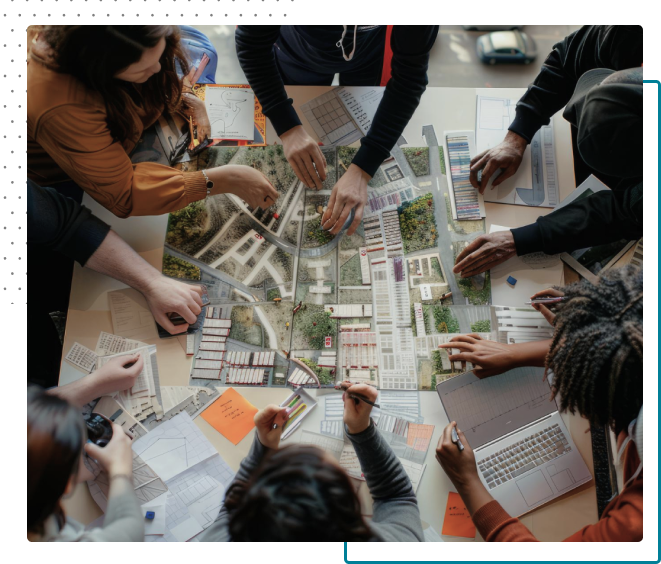
Project Homeland empowers communities to lead their development initiatives. By establishing Development Resource Centers (DRCs), we create a hub for local innovation and problem-solving. These centers will facilitate the planning, executing, and managing of community-driven projects, ensuring they are tailored to local needs and contexts.

Key Strategies
  • Capacity Building: Provide training and resources to community members to enhance their skills in project management, planning, and execution.
  • Collaborative Platforms: Create collaborative platforms within the DRCs to enable brainstorming and the exchange of ideas (Think Tanks)
  • Resource Allocation: Ensure equitable distribution of resources to support community-led projects, prioritizing initiatives with sustainable and long-term impact

Foster Self-sufficient and Long-term Sustainability

Project Homeland's core is its commitment to fostering community self-sufficiency and sustainability. Our 'Community First' (CF) approach emphasizes internal development, focusing on creating infrastructures such as electricity, water management, sewer systems, and internet connectivity.

Key Strategies
  • Infrastructure Development: Implement essential infrastructures that support daily life and economic activities.
  • Local Economy Stimulation: Encourage local entrepreneurship and business development through micro-financing and vocational training.
  • Environmental Stewardship: Integrate sustainable practices in all projects to ensure minimal environmental impact and promote resource conservation.

Provide Comprehensive Project Support

Project Homeland recognizes the importance of comprehensive support for successfully implementing community projects. This includes technical assistance, training, and access to necessary resources and tools.


Key Strategies
  • Technical Assistance: Offer expert guidance and support throughout the project lifecycle, from planning to execution.
  • Training Programs: Develop and deliver training sessions on essential skills, such as bookkeeping, cash-flow management, and technical skills.
  • Tool Rental Store: Establish a facility within the DRCs where community members can access tools and equipment needed for their projects.

Promote Community-driven Development Initiatives

We believe communities should be at the forefront of their development. Promoting community-driven initiatives ensures that projects are relevant, sustainable, and have a more significant impact.

Key Strategies
  • Participatory Planning: Engage community members in project planning and decision-making process
  • Local Leadership: Empower local leaders to take charge of development initiatives, fostering a sense of ownership and accountability.
  • Feedback Mechanisms: Establish continuous feedback and improvement systems, ensuring that projects evolve based on community needs and experiences.

Engage Local Members in Leadership Roles

Engaging local members in leadership roles is crucial for the sustainability and relevance of development projects. Project Homeland will identify and train local leaders, equipping them with the skills needed to manage and sustain community initiatives. Key Strategies:


Key Strategies
  • Leadership Training: Provide targeted training programs to develop leadership skills among community members.
  • Mentorship Programs: Pair emerging leaders with experienced mentors to guide them through their leadership journey.
  • Recognition and Incentives: Acknowledge and reward the contributions of local leaders to motivate continued engagement and commitment.

Ensure Robust Accountability and Strategy

Accountability and strategic planning are fundamental to the success of Project Homeland's initiatives. We will implement robust mechanisms to monitor, evaluate, and report on project progress and impact.

Key Strategies
  • Monitoring and Evaluation: Establish clear metrics and indicators to assess project performance and impact.
  • Transparent Reporting: Maintain transparency in all operations, regularly publishing reports and updates to stakeholders.
  • Continuous Improvement: Use feedback and data to refine and improve strategies and operations.

Communication and Engagement with Collaborators and Stakeholders

To ensure these objectives are well understood by potential collaborators and stakeholders, Project Homeland will adopt the following approaches:

Clear Communication

Develop clear, concise, and compelling communication materials, including brochures, presentations, and reports that outline our objectives and strategies.

Stakeholder Engagement

Regularly engage with stakeholders through meetings, workshops, and forums to discuss our objectives, gather input, and build support.

Partnerships

Foster strong partnerships with local, regional, and international organizations to leverage resources, expertise, and networks.

Digital Presence

Maintain an informative and engaging website and social media presence to keep stakeholders informed and engaged.

By clearly articulating our objectives and the strategies to achieve them, Project Homeland aims to build a strong foundation of understanding and support among collaborators and stakeholders, ensuring the successful realization of our mission and goals.